

Hey there! I'm a supplier of Smart Tubular Engines, and today I wanna chat about whether the performance of these engines gets affected by humidity.

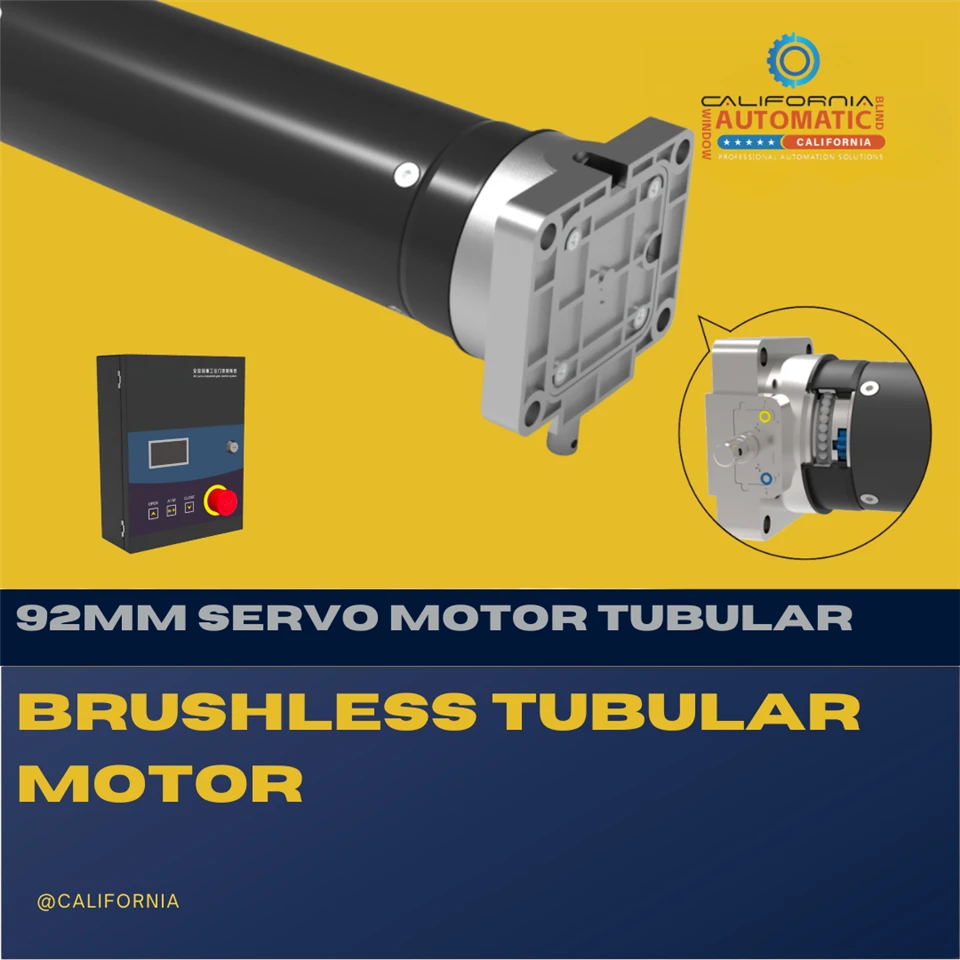
First off, let's understand what a Smart Tubular Engine is. It's a high - tech piece of equipment that's used in a variety of applications, like rolling doors and other automated systems. We've got different types in our lineup, such as the 92mm Brushless Shutter Motor, the Safety Brake, and the Tubular Motor With Rebound. These engines are designed to be reliable and efficient, but like any mechanical and electrical device, they might be influenced by environmental factors, and humidity is one of them.
How Humidity Works
Humidity refers to the amount of water vapor present in the air. When the humidity is high, there's a lot of moisture floating around. And this moisture can interact with the components of the Smart Tubular Engine in several ways.
Effects on Electrical Components
One of the main concerns is the impact on the electrical parts of the engine. High humidity can lead to corrosion. You see, the metal parts inside the engine, like the wiring and connectors, are vulnerable to rust when they're exposed to moisture for long periods. Rust can increase the electrical resistance in the wires. When the resistance goes up, the engine has to work harder to maintain the same level of performance. This not only reduces the efficiency of the engine but can also cause overheating. Overheating is a big no - no because it can damage the sensitive electronic circuits in the engine, potentially leading to malfunctions or even complete failure.
Another issue is electrical short - circuits. Moisture can act as a conductor, bridging gaps between electrical contacts that are supposed to be insulated from each other. When this happens, a short - circuit occurs. Short - circuits can cause sudden power surges, which can fry the electronic components of the Smart Tubular Engine. It's like a mini - electrical storm inside the engine, and it can be really bad news.
Impact on Mechanical Components
Humidity also affects the mechanical parts of the engine. The lubricants used in the engine play a crucial role in reducing friction between moving parts. But high humidity can cause the lubricants to break down. When the lubricant breaks down, it loses its ability to protect the mechanical components. This results in increased friction between the moving parts, such as the gears and bearings. More friction means more wear and tear on these parts. The gears might start to grind against each other, and the bearings could seize up. This not only reduces the lifespan of the engine but also makes it less smooth and efficient in operation.
Performance at Low Humidity
On the flip side, low humidity can also have its own set of problems. When the air is very dry, static electricity can build up. Static electricity can attract dust and other particles, which can then accumulate on the engine's components. This dust can clog up the ventilation holes in the engine, preventing proper cooling. Without adequate cooling, the engine can overheat, just like in the case of high - humidity - induced corrosion.
Case Studies and Real - World Examples
We've had some customers report issues related to humidity. For instance, in coastal areas where the humidity is typically high year - round, we've seen more frequent complaints about engine failures. Some customers noticed that the engines started making strange noises, and the doors they were powering were moving more slowly than usual. After inspection, we found that the electrical connectors were corroded, and the lubricants had degraded.
In a factory environment where the air is kept very dry for certain manufacturing processes, we've also received reports of engines overheating. Upon investigation, we discovered that a thick layer of dust had accumulated on the engine due to static electricity, blocking the cooling vents.
How to Mitigate the Effects of Humidity
So, what can we do to protect the Smart Tubular Engine from the negative effects of humidity? Well, proper ventilation is key. By ensuring that the engine has good airflow around it, we can reduce the amount of moisture that settles on the components. This can be achieved by installing the engine in a well - ventilated area or using fans to circulate the air.
Sealing is another important measure. We can use gaskets and seals to keep the moisture out of the engine's housing. This creates a barrier between the internal components and the humid air outside.
Regular maintenance is also crucial. We should check the engine's components regularly for signs of corrosion or wear. If we catch the problems early, we can take steps to fix them before they cause major damage. For example, we can clean the electrical connectors and replace the lubricants at the recommended intervals.
Conclusion
In conclusion, humidity does have a significant impact on the performance of the Smart Tubular Engine. Both high and low humidity levels can cause a range of problems, from electrical issues to mechanical failures. But with proper precautions, like good ventilation, sealing, and regular maintenance, we can minimize these effects and ensure that the engine operates reliably and efficiently.
If you're in the market for a Smart Tubular Engine or need more information about how to protect your existing engine from humidity, don't hesitate to reach out. We're here to help you make the most of your engine and ensure its long - term performance. Let's have a chat about your specific needs and how our products can meet them.
References
- Physics textbooks on electricity and magnetism for understanding electrical effects of humidity.
- Engineering manuals for Smart Tubular Engines regarding the impact of environmental factors on performance.
- Customer reports and case studies from our own records.