

Solar Sensor Solution
Your Leading Solar Sensor Solution Supplier
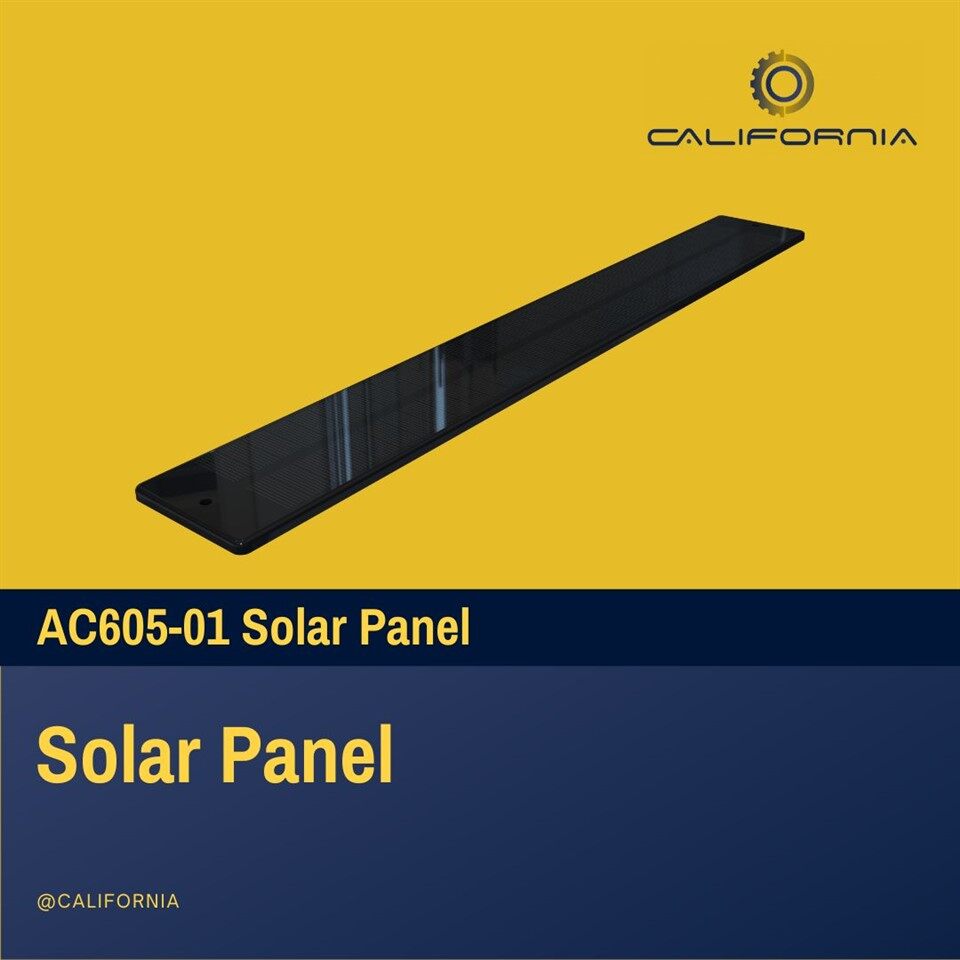
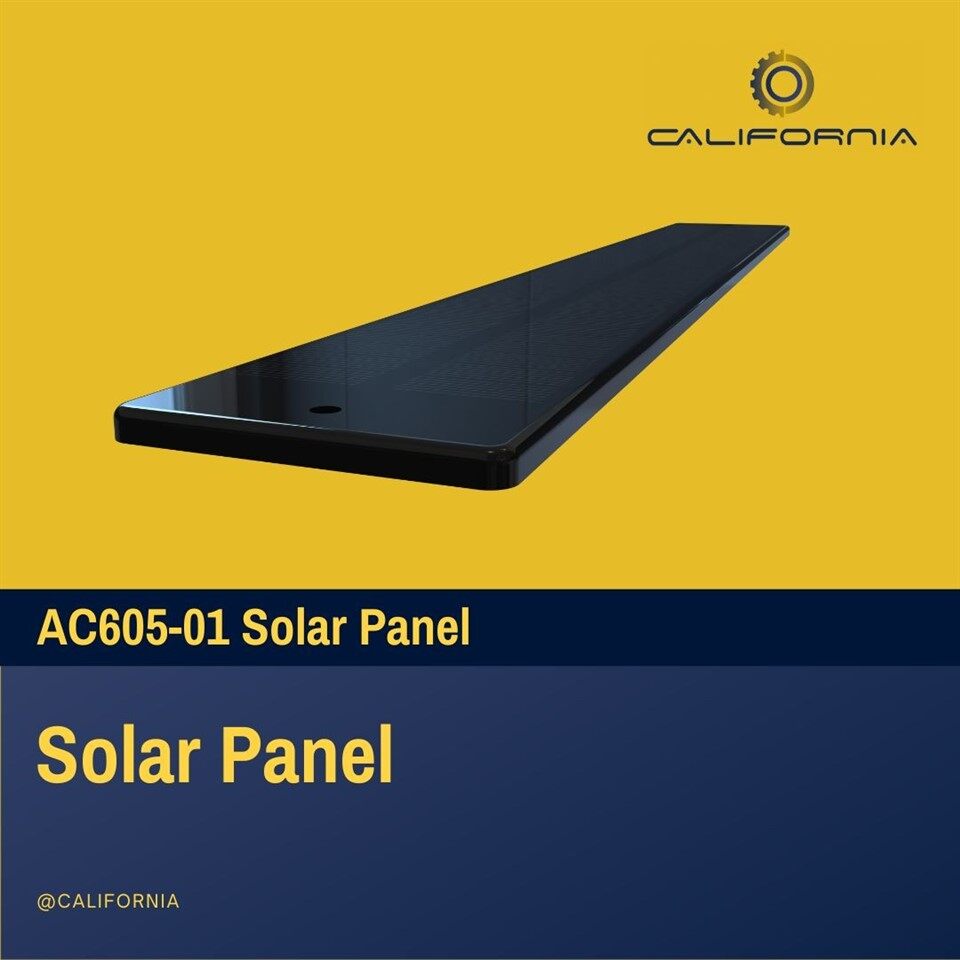
Zhangzhou California Company proudly presents a comprehensive range of advanced rolling door motors, tubular motors, curtain motors, window openers, and various smart scene control systems. Each product we offer embodies intelligent solutions that deliver precise motion control, enhancing both interior furnishings and outdoor applications. Our solar sensor solution, made of monocrystalline silicon, features a sleek, lightweight, and easy-to-install design, making it ideal for a variety of applications.


Why Choose Us?
Quality Assurance
Our products have obtained CE, Rohs, CB, R&TTE, CCC, TUV, UL, cTUVus, FCC certifications, IS09000:2000 quality system and export license.
Production Market
Our products sale to Brazil ,Vietnam,Dubai and Iran and many countries. have four production line in another countries.
Professional Service
We support OEM,ODM service. have engineers team to solve the problems with customers.
Parameters of Solar Sensor Solution


Proper installation and placement of solar radiation sensors are crucial to obtaining accurate and reliable data. Sensors should be mounted in an open area with no obstructions that could block sunlight, such as buildings, trees, or other structures. The sensor should also be positioned at an angle to capture the maximum amount of sunlight throughout the day.
Before using a solar radiation sensor, it is essential to calibrate the sensor to ensure accurate measurements. Calibration involves comparing the sensor's readings to known standard values under controlled conditions. This process helps to identify any drift or errors in the sensor's output and allows for adjustments to be made to improve the sensor's accuracy.
When using a solar radiation sensor, it is essential to record the data at regular intervals to track changes in solar radiation levels over time. Data logging systems can be used to automatically collect and store the sensor's readings, making it easier to analyze trends and patterns in solar radiation data.
Color: Customizable
Material: Customizable
Size: Customizable
MOQ: 100 pcs
Delivery Time: 30 days( standard)
Warranty: Up to 5 years
Ordering Process
Send Us Inquiry → Receive Our Quotation → Negotiate Details → Confirm the Sample → Sign Contract/Deposit → Mass Production →cargo Ready → Balance/Delivery → Further Cooperation
Maintenance of Solar Sensor Solution
Schedule regular cleaning
To keep solar panels in good condition, you must clean them at least twice a year: one at the end of fall and another at the start of winter. If they're installed in an area with a high dust, pollen, or dirt concentration, it's recommended to clean them more often, for example every three months.
Choose the right time
The maintenance and cleaning of solar panels must be carried out during the early hours of the morning, when the panels are fresher. Cleaning them when they are still warm or exposed to direct sunlight may be counterproductive, as the combination of heat and cold water can generate thermal stresses and damage the equipment. Avoid when windy, rainy, or snowy.
Gently clean
If you haven't detected any problems, you can start with the cleaning. Make sure you remove any kind of dirt, dust, or debris that may affect the performance of the solar panels.
Carry out a visual inspection
Before starting, carry out a visual inspection of the solar panels to identify possible damages such as cracks, breaks, or loose connections. If you detect any problems, contact a professional to carry out the necessary checks and repairs.
Dry the panels
You can let the solar panels air-dry, or you can use soft cloths. The most important thing is that no water residue remains that may affect the efficiency of the panels.
Monitoring
For proper maintenance, record the date you clean the solar panels, and schedule the next one. This will allow you to properly monitor and maintain the installation in optimal conditions.
Application Scope of Solar Sensor Solution
Renewable Energy Systems
Solar energy systems rely heavily on solar sensors to optimize energy production. By measuring solar irradiance, these sensors inform adjustments to solar panels, ensuring maximum exposure to sunlight. Solar tracking sensors are particularly valuable for large solar farms, where increased efficiency can significantly impact energy output.
Weather and Climate Monitoring
Solar sensors like pyranometers are widely used in meteorological stations to track solar radiation levels. This data is essential for climate research, weather forecasting, and environmental monitoring. Pyranometers measure the energy reaching Earth's surface, helping scientists understand long-term climate trends and solar energy potential.
Space Exploration and Satellites
Solar sensors are indispensable in satellite technology. Sun sensors allow satellites to determine their orientation relative to the Sun, ensuring they maintain the proper alignment for communication and observation tasks. Fine sun sensors are often used on scientific satellites requiring precise positioning.
Smart Devices and IoT Applications
Ambient light sensors, a type of solar sensor, enhance the usability of electronic devices by adjusting screen brightness based on the light conditions around the user. This feature is beneficial for energy conservation and improving user experience across various devices.
Agricultural Technology
Solar sensors are increasingly used in agricultural settings, where they monitor sunlight levels to optimize crop growth conditions. By adjusting the light environment, farmers can maximize yields and ensure that plants receive the right amount of sunlight.
Packing & Transportation
Packaging details: Inner box with foam protection + standard export carton

FAQ
Find professional solar sensor solution manufacturers and suppliers in China here! Please rest assured to wholesale high quality solar sensor solution made in China here from our factory. Contact us for more details.