

As a supplier of the Smart Tubular Engine, I am often asked about the noise level of this innovative product. In this blog post, I will delve into the details of the noise level of the Smart Tubular Engine, exploring the factors that influence it, how it compares to other similar products, and the benefits of its relatively low noise operation.
Understanding the Smart Tubular Engine
Before we discuss the noise level, it's essential to understand what the Smart Tubular Engine is. The Smart Tubular Engine is a cutting - edge device designed for various applications, especially in the rolling door industry. It combines advanced technology with high - performance components to provide smooth and efficient operation.
The engine consists of a motor, a control system, and other essential parts. The motor is the core of the engine, responsible for generating the power needed to drive the rolling door. The control system ensures precise and reliable operation, allowing users to control the door easily.
Factors Influencing the Noise Level
Several factors can influence the noise level of the Smart Tubular Engine.
Design and Construction
The design of the engine plays a crucial role in determining its noise level. Our Smart Tubular Engine is designed with precision engineering. The components are carefully selected and assembled to minimize vibrations and noise. For example, the motor is balanced to reduce unbalanced forces that can cause excessive noise. The housing of the engine is also designed to absorb and dampen vibrations, further reducing the noise emitted.

Operating Conditions
The operating conditions of the engine can also affect the noise level. When the engine is operating under normal load and speed, the noise level is relatively low. However, if the engine is overloaded or operating at a high - speed for an extended period, the noise level may increase. This is because the motor has to work harder, which can lead to more vibrations and noise. Additionally, the quality of the installation can also impact the noise level. If the engine is not installed correctly, it may cause additional vibrations and noise.
Maintenance
Regular maintenance is essential to keep the noise level of the Smart Tubular Engine low. Over time, the components of the engine may wear out, which can increase the noise level. For example, if the bearings in the motor are worn, they can cause a rattling noise. By performing regular maintenance, such as lubricating the moving parts and checking the tightness of the components, we can ensure that the engine operates smoothly and quietly.
Measuring the Noise Level
To accurately measure the noise level of the Smart Tubular Engine, we use industry - standard noise measurement equipment. The noise level is typically measured in decibels (dB). Our tests show that under normal operating conditions, the noise level of the Smart Tubular Engine is around 40 - 50 dB. This is relatively quiet compared to many other similar products on the market.
To put this into perspective, a normal conversation is usually around 60 dB, and a vacuum cleaner can produce noise levels of up to 70 - 80 dB. The low noise level of the Smart Tubular Engine makes it an ideal choice for applications where noise is a concern, such as residential areas or offices.
Comparison with Other Similar Products
When compared to other tubular engines in the market, the Smart Tubular Engine stands out for its low noise operation. Many traditional tubular engines produce noise levels of 60 dB or higher, which can be quite disturbing, especially in quiet environments.
The reason for our engine's low noise level is our commitment to using high - quality materials and advanced manufacturing processes. We also invest heavily in research and development to continuously improve the design and performance of our products. For example, we have developed a unique Tubular Motor With Rebound technology that not only enhances the performance of the engine but also reduces noise.
Benefits of Low Noise Operation
The low noise level of the Smart Tubular Engine offers several benefits.
Comfort
In residential and commercial applications, a quiet environment is highly desirable. The low noise operation of our engine ensures that the rolling door can be opened and closed without disturbing the occupants. This is especially important in areas such as bedrooms, offices, or hospitals, where a quiet environment is essential for rest, work, or patient recovery.
Long - term Durability
Reduced noise is often an indication of smooth operation. When the engine operates quietly, it means that there are fewer vibrations and less stress on the components. This can extend the lifespan of the engine, reducing the need for frequent repairs and replacements.
Safety
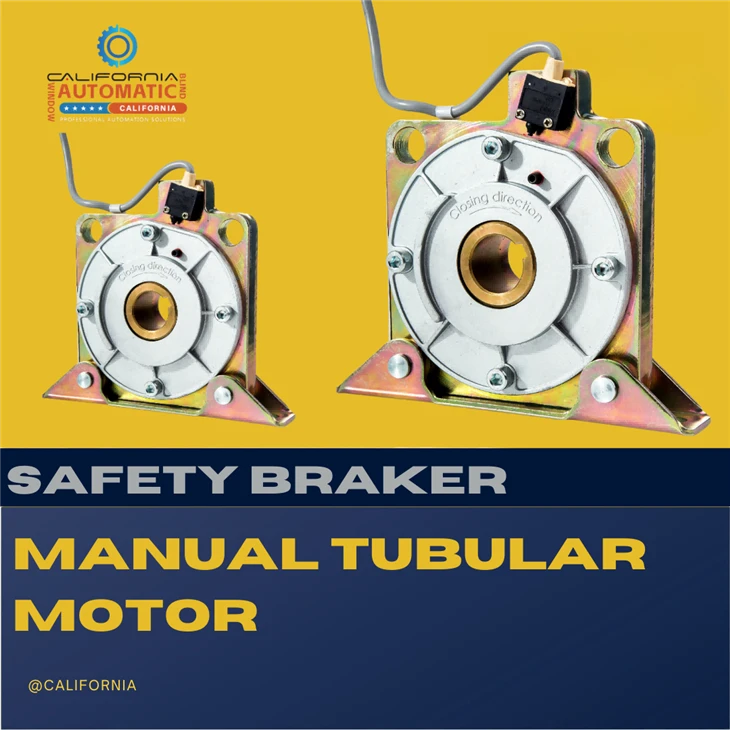
The Safety Brake feature of our Smart Tubular Engine is designed to work in harmony with the low - noise operation. A quiet engine allows users to better detect any abnormal sounds that may indicate a problem with the safety brake or other components. This early detection can help prevent accidents and ensure the safe operation of the rolling door.
Conclusion
In conclusion, the noise level of the Smart Tubular Engine is a significant advantage that sets it apart from other similar products. With a noise level of around 40 - 50 dB under normal operating conditions, it offers a quiet and comfortable experience for users. The low noise level is achieved through careful design, high - quality materials, and proper maintenance.
If you are in the market for a tubular engine for your rolling door, the Smart Tubular Engine is an excellent choice. Its low noise operation, combined with its high performance and advanced features, makes it a reliable and efficient solution. Whether you are a homeowner, a business owner, or an installer, we invite you to contact us for more information and to discuss your specific requirements. We are committed to providing the best products and services to meet your needs.
References
- Industry standards for noise measurement in tubular engines.
- Internal research and development reports on the design and performance of the Smart Tubular Engine.