

As a seasoned supplier of AC tubular motors, I've witnessed firsthand the transformative power of upgrading control systems. In today's dynamic market, the ability to enhance the functionality, efficiency, and user experience of these motors is not just an advantage; it's a necessity. This blog post aims to guide you through the process of upgrading the control system of an AC tubular motor, sharing insights and best practices based on my years of experience in the industry.
Understanding the Basics of AC Tubular Motors
Before delving into the upgrade process, it's essential to have a solid understanding of AC tubular motors. These motors are commonly used in various applications, such as roller shutters, awnings, and blinds. They are known for their compact design, high torque, and reliable performance. The control system of an AC tubular motor plays a crucial role in regulating its operation, including speed, direction, and positioning.
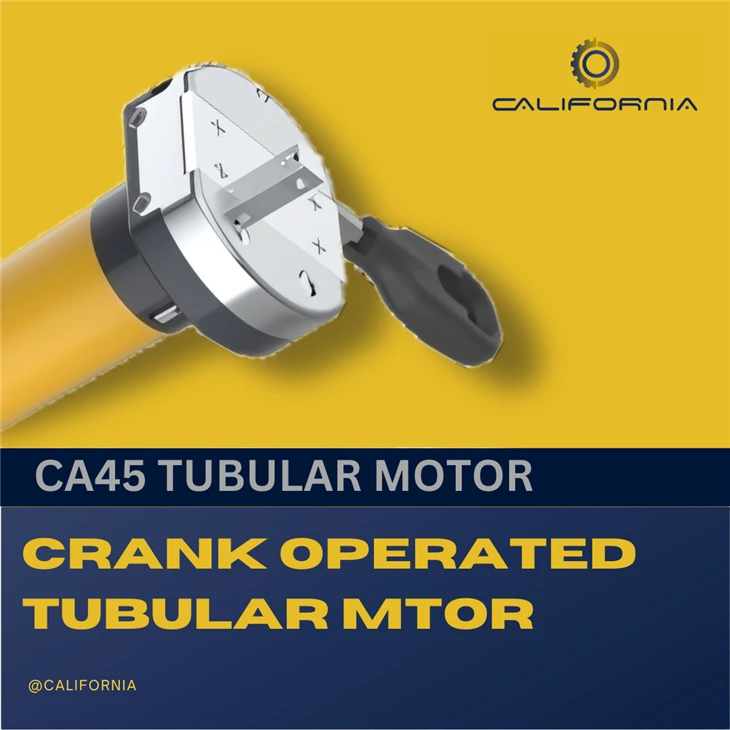
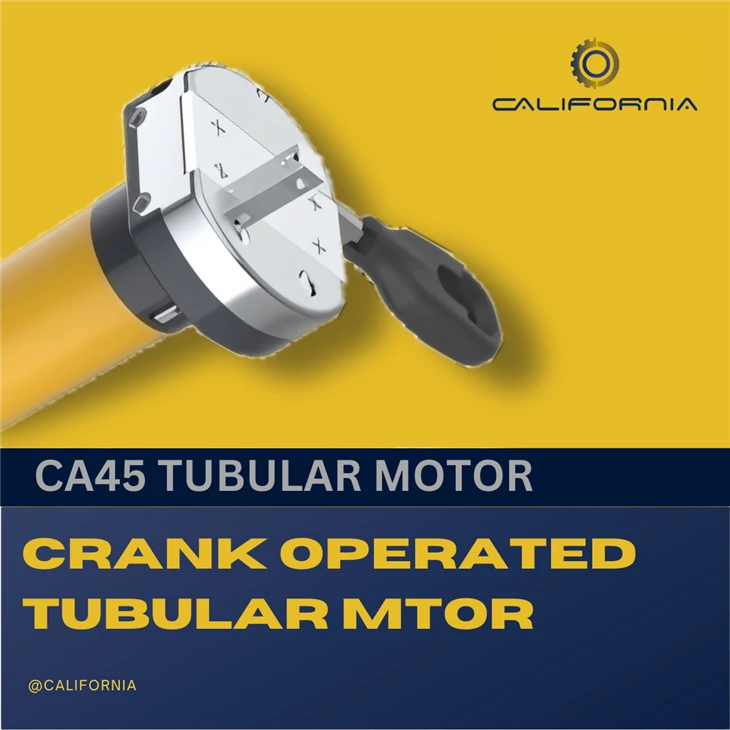
There are several types of AC tubular motors available in the market, each with its own unique features and control requirements. For instance, the Mechanical Limit Roller Motor is equipped with mechanical limit switches to control the opening and closing range of the roller shutter. On the other hand, the Crank Operated AC Motor allows manual operation in addition to electric control, providing flexibility in case of power outages. The Remote Control Awning Motor offers convenient wireless control, enabling users to adjust the position of the awning from a distance.
Assessing the Current Control System
The first step in upgrading the control system of an AC tubular motor is to assess the current system. This involves evaluating its performance, functionality, and compatibility with the motor. Here are some key factors to consider:
- Performance: Analyze the motor's speed, torque, and efficiency under different operating conditions. Look for any signs of wear and tear, such as excessive noise, vibration, or reduced performance.
- Functionality: Determine the existing control features, such as manual operation, remote control, and automation. Identify any limitations or areas for improvement, such as limited programmability or lack of integration with other systems.
- Compatibility: Check the compatibility of the current control system with the motor and other components, such as sensors, limit switches, and power supplies. Ensure that the new control system can be easily integrated without requiring significant modifications.
Choosing the Right Control System
Once you have assessed the current control system, the next step is to choose the right upgrade option. There are several factors to consider when selecting a new control system, including:
- Functionality: Look for a control system that offers the features and functionality you need, such as remote control, automation, and programmability. Consider your specific application requirements and choose a system that can meet your future needs as well.
- Compatibility: Ensure that the new control system is compatible with your existing motor and other components. Check the technical specifications and consult with the manufacturer or supplier to ensure a seamless integration.
- Reliability: Choose a control system from a reputable manufacturer known for its quality and reliability. Look for systems that have been tested and certified to meet industry standards.
- Cost: Consider the cost of the control system, including the purchase price, installation costs, and ongoing maintenance expenses. Compare different options and choose a system that offers the best value for your money.
Installing the New Control System
After selecting the right control system, the next step is to install it. This process requires careful planning and attention to detail to ensure a successful installation. Here are some general guidelines to follow:
- Read the Manual: Before starting the installation, carefully read the installation manual provided by the manufacturer. Familiarize yourself with the system's components, wiring diagrams, and installation instructions.
- Prepare the Work Area: Ensure that the work area is clean, well-lit, and free from any obstacles. Disconnect the power supply to the motor and other components to avoid any electrical hazards.
- Mount the Control System: Mount the control system in a suitable location, such as a control panel or a junction box. Ensure that the system is securely fastened and protected from dust, moisture, and other environmental factors.
- Connect the Wiring: Follow the wiring diagram provided in the installation manual to connect the control system to the motor, sensors, limit switches, and other components. Use the appropriate wires and connectors and ensure that all connections are tight and secure.
- Test the System: Once the installation is complete, test the system to ensure that it is working properly. Turn on the power supply and check the functionality of the control system, including remote control, automation, and programmability. Make any necessary adjustments or repairs as needed.
Testing and Commissioning
After installing the new control system, it's important to conduct thorough testing and commissioning to ensure that it is working correctly. This involves performing a series of tests to verify the functionality, performance, and safety of the system. Here are some key tests to perform:
- Functionality Tests: Test all the features and functions of the control system, including remote control, automation, and programmability. Ensure that the system responds correctly to user inputs and performs the desired actions.
- Performance Tests: Measure the motor's speed, torque, and efficiency under different operating conditions. Compare the results with the manufacturer's specifications to ensure that the system is performing as expected.
- Safety Tests: Test the safety features of the control system, such as overcurrent protection, overvoltage protection, and emergency stop. Ensure that the system can detect and respond to any abnormal conditions to prevent accidents and damage to the equipment.
- Integration Tests: If the control system is integrated with other systems, such as sensors, limit switches, and power supplies, test the integration to ensure that all components are working together seamlessly.
Maintenance and Support
Once the new control system is installed and commissioned, it's important to establish a regular maintenance schedule to ensure its continued performance and reliability. Here are some key maintenance tasks to perform:
- Inspection: Regularly inspect the control system for any signs of wear and tear, such as loose connections, damaged wires, or malfunctioning components. Replace any worn or damaged parts as needed.
- Cleaning: Keep the control system clean and free from dust, dirt, and other contaminants. Use a soft brush or compressed air to remove any debris from the system.
- Software Updates: Check for software updates regularly and install them as needed. Software updates can improve the functionality, performance, and security of the control system.
- Technical Support: Establish a relationship with the manufacturer or supplier of the control system and ensure that you have access to technical support. In case of any issues or problems, contact the support team for assistance.
Conclusion
Upgrading the control system of an AC tubular motor can significantly enhance its performance, functionality, and user experience. By following the steps outlined in this blog post, you can choose the right control system, install it correctly, and ensure its continued performance and reliability. Remember to assess your current control system, choose the right upgrade option, and follow the manufacturer's instructions for installation and maintenance. If you have any questions or need further assistance, please don't hesitate to contact us. We are here to help you upgrade your AC tubular motor control system and take your application to the next level.
References
- Manufacturer's documentation and technical specifications of AC tubular motors and control systems.
- Industry standards and guidelines for the installation and maintenance of control systems.
- Personal experience and expertise in the field of AC tubular motor control systems.